Static and Small Talk: The Night Owls Who Befriend the World One Frequency at a Time
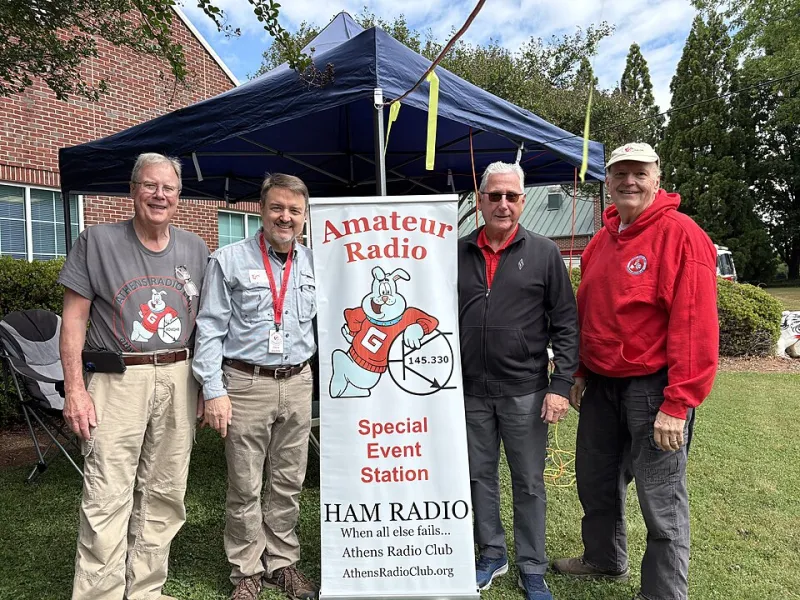
Photo: Kmccook, CC0, via Wikimedia Commons
It's 1:47 a.m. in rural Kansas, and Dale has been awake for twenty minutes longer than he intended. The rest of the house is dark. He pads into the garage, flips a switch, and waits for the equipment to warm up — a habit left over from the tube radios of his youth, even though the modern rig doesn't need it.
Then he keys the microphone and says his call sign into the darkness.
Somewhere, a stranger answers.
The Weirdest Good Time Left in America
Amateur radio — ham radio, if you're using the old name — has been declared dead more times than disco. First television was supposed to kill it. Then the internet. Then cell phones. And yet the FCC keeps issuing licenses, roughly 780,000 of them now outstanding, more than at any point in the hobby's century-long history.
The people keeping the airwaves warm at night are not who you'd expect. Sure, there are the retired engineers, the storm spotters, the preppers with their go-bags. But there are also teenagers in Ohio working toward their first contact, nurses on overnight stretches who chat between shifts, and long-haul drivers who discovered that a mobile rig beats a podcast for company.
What they all share is a peculiar appetite: the willingness to talk to a total stranger, with no algorithm curating who that stranger will be.
A Contact Is a Promise
The basic unit of the hobby is the "contact" — two stations exchanging call signs, signal reports, and usually a little weather talk. That's it. That's the whole transaction. And somehow, it's enough to build friendships that last decades.
Ask around any ham club and you'll hear versions of the same story. A guy in Michigan made a contact with an operator in Japan in 1987. They've never met. They exchange Christmas cards anyway. A woman in Texas worked a station in Norway so many times that when her daughter studied abroad in Oslo, the Norwegian ham insisted on giving her a place to stay.
"You can't fake it," says a longtime operator in Vermont. "You can't curate it. The band opens up, and whoever's out there, that's who you get. It's the opposite of everything else on my phone."
There's a term for the long-distance phenomenon: DXing, short for working distant stations. At the peak of a solar cycle, when sunspots fling the ionosphere into overdrive, a modest backyard antenna in the Midwest can reach Australia. The current cycle has been generous, and the night owls have been busy.
The Ritual of the Late Shift
Why so late? Partly physics — certain bands come alive after dark, skipping signals off the ionosphere like stones across water. But partly something older and less scientific.
The overnight hours strip away the performance. Nobody's broadcasting to an audience at 3 a.m. The conversations are slow, meandering, often about nothing: the price of feed, a grandkid's recital, the fog rolling in over the coast. It's small talk with the stakes removed, which is maybe the rarest commodity in American life right now.
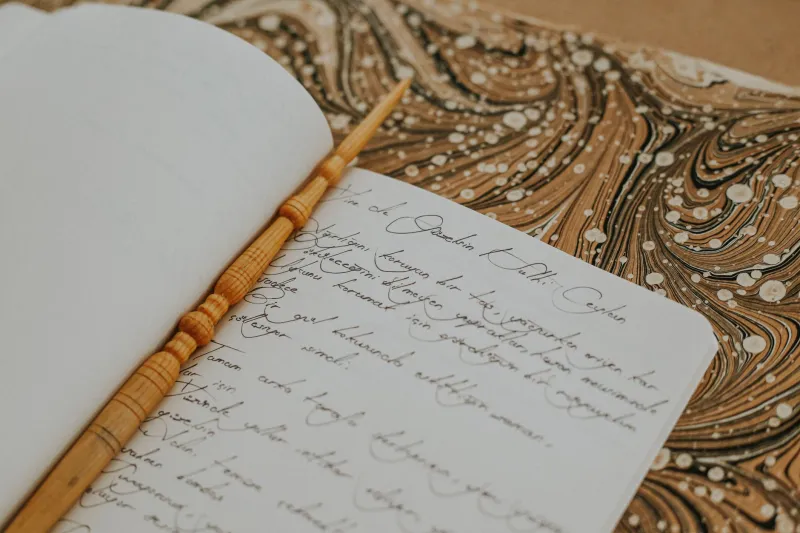
Some operators keep logs going back fifty years — spiral notebooks, then binders, now spreadsheets — each entry a time, a call sign, a name, a place. Flip through one and you're reading a diary written in strangers. A contact during a hurricane. A contact the night of a moon landing. A contact made just to hear a voice from somewhere that wasn't home.
Passing It Down
The hobby's biggest anxiety is arithmetic: the average age of licensees keeps climbing, and clubs know it. So they've gotten creative. High school radio clubs are popping back up, sometimes with grants, sometimes with donated gear from widows cleaning out garages. Community colleges teach licensing prep. Some clubs run "hide and seek on the air" events that lure kids outside with handheld radios and a competitive streak.
The pitch to newcomers is refreshingly honest: this will not make you money, and it will not go viral. What it will do is hand you a skill that works when nothing else does — during hurricanes, wildfires, and ice storms, when the towers go down and ham operators quietly become the only line of communication a town has.
That's the other thing the night owls will tell you. The stranger on the other end isn't just company. Sometimes, when the sky turns ugly, that stranger is the reason somebody knows a road is washed out.
Still Up There, Still Listening
Dale eventually signs off around three. Before he does, he's talked to a rancher in Alberta, a retiree in Florida, and — the highlight — a newly licensed operator in Wales, sixteen years old, nervous, thrilled to have made contact at all.
"Good night, mate," the kid says, and Dale smiles at a garage full of blinking lights.
The radio clicks off. The frequencies carry on without him, full of voices passing in the dark, strangers trading weather and well-wishes across oceans. It's the oldest kind of social network there is. And unlike everything else, it doesn't ask you to scroll.