Forty Tapes in a Shoebox: The Families Racing to Save the Voices on Old Answering Machines
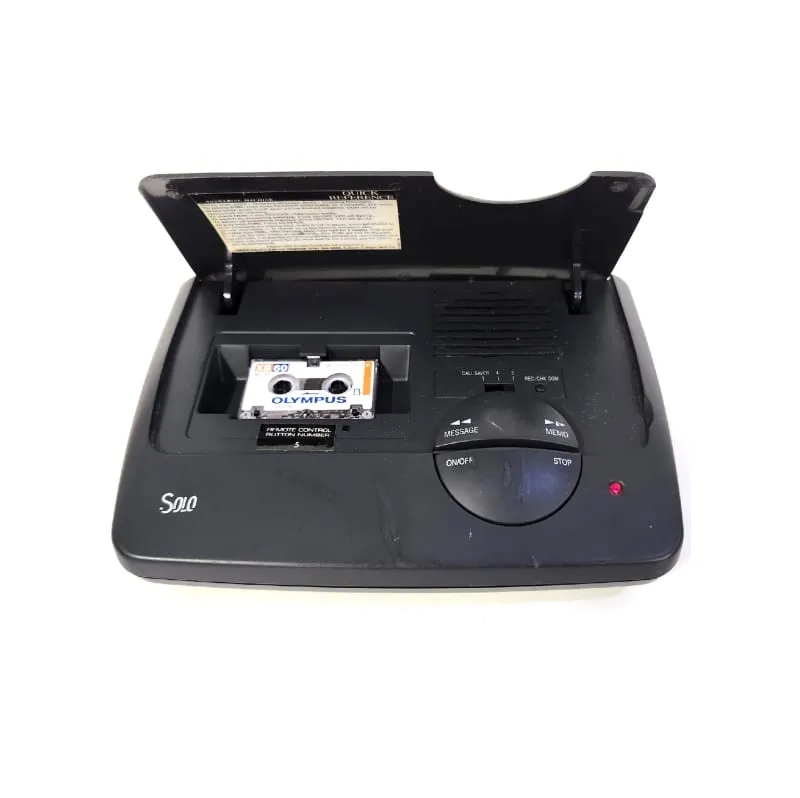
Photo: vintage microcassette answering machine tapes shoebox, via res.cloudinary.com
Karen Whitfield found the shoebox while clearing out her father's garage in Dayton, Ohio — one of those garages where every box is a small argument with the past. Inside were forty microcassettes, each labeled in his blocky handwriting: Mom, Sunday. Bill from the shop. Unknown, funny.
Her father had kept every answering machine tape from the last fifteen years of his life. He died in 2021. Karen hadn't heard his voice since the funeral video.
"A photograph shows you what someone looked like," she told me over the phone. "A tape tells you how they said your name. There's a difference, and the difference is everything."
The Messages People Kept
It turns out Karen isn't unusual. Across the country, a small but growing network of audio transfer businesses is being flooded with answering machine cassettes — microcassettes, standard cassettes, even the odd digital answering machine whose memory chips are decaying faster than tape ever was.
At Audio Rescue Pros outside Portland, owner Miguel Serrano says answering machine work now makes up nearly a third of his business. "Ten years ago it was all reel-to-reel and home movies. Now it's somebody's mom with a shoebox of tapes from 1988 to 2003, and she's crying in my lobby before we even start."
What's on these tapes isn't dramatic. That's the point. It's a dentist confirming an appointment. A teenager asking to be picked up from practice. A grandmother singing two bars of happy birthday before the machine cuts her off. The mundane machinery of a life, recorded by accident and kept on purpose.
Why the Everyday Voice Hits Harder
Grief counselors have a term for it, loosely: continuing bonds — the idea that keeping some connection to the dead, even a small one, helps the living. A voicemail is about the purest form of that bond that exists.
"People say they want one more conversation," says Dr. Ellen Park, who studies grief and media at a Boston university. "What they usually mean is they want one more ordinary moment. Voicemails are ordinary moments. You don't perform for an answering machine."
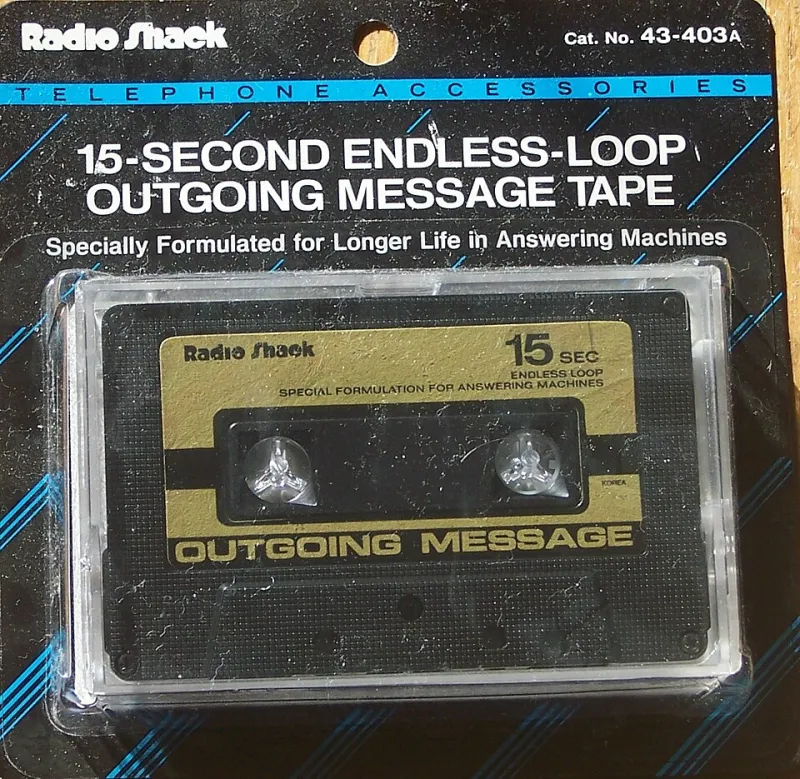
That's why the outgoing messages matter too — the ones the deceased recorded themselves. Karen's father opened every tape with the same line: "You've reached the Whitfields. Leave it short, the spaghetti's burning." Forty tapes. Forty times she gets to hear him almost laugh at his own joke.
The Clock Is Ticking
Here's the uncomfortable part: magnetic tape doesn't wait. Microcassettes were never archival quality to begin with, and the adhesive binding the tape layers breaks down after twenty or thirty years. Heat and humidity in attics and garages accelerate it. Play a degraded tape on a worn machine and you can shear the tape, snap it, or — worse — record over it.
The transfer businesses I spoke with all said the same thing: don't try to play them yourself first. Don't rewind them fast. Get them to someone with a properly calibrated deck and the patience to splice breaks.
"The saddest calls I get are from people who already erased Grandpa trying to record their own outgoing message on the same machine," Serrano laughs, then doesn't. "It happens more than you'd think."
How to Save Yours
If you've got tapes in a closet somewhere, the process is simpler than you'd fear:
- Inventory first. Label everything before you play anything. Note the date ranges if the tapes are marked.
- Find a specialist. Search for "audio cassette transfer service" in your state. Local audio-visual companies, some public libraries, and university media labs often do this or can refer you.
- Ask about playback equipment. A good shop uses a deck with adjustable speed and azimuth — microcassettes recorded on cheap handheld machines drift off-spec over time.
- Request uncompressed files. WAV or FLAC, not MP3. Storage is cheap; re-recording later isn't.
- Back up twice. Cloud plus an external drive. Tape survived by accident; your files should survive on purpose.
Karen finished digitizing her father's tapes last spring. She plays one on the drive to work sometimes — just the outgoing message, over and over, spaghetti burning in a house that no longer exists.
"People think it'll make the grief worse," she said. "It made it rounder. Like the picture of him finally got sound."
The tapes are in a fireproof box now, and the files live in three places. She's not taking any chances. Neither should you — somewhere in your house, right now, there may be a voice waiting on a ribbon of tape that's older than it looks and weaker than you think.