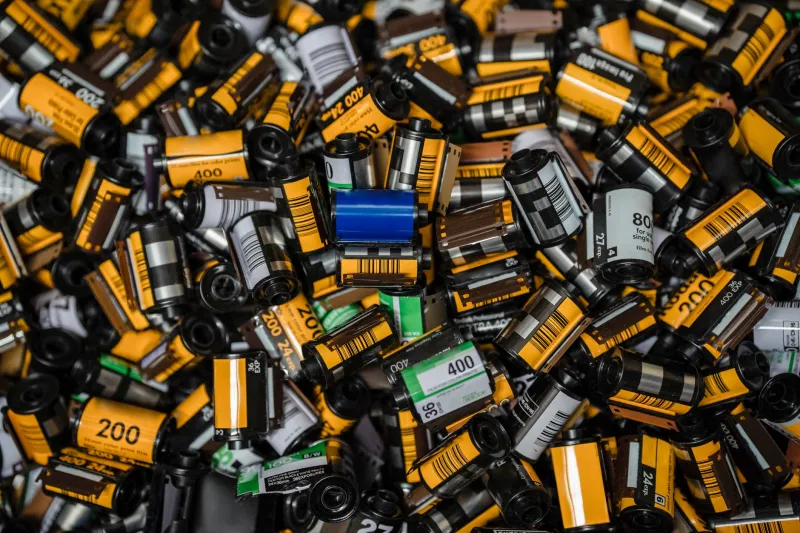
Nobody Prints Anymore — And the Last Photo Labs Are Fighting to Change That
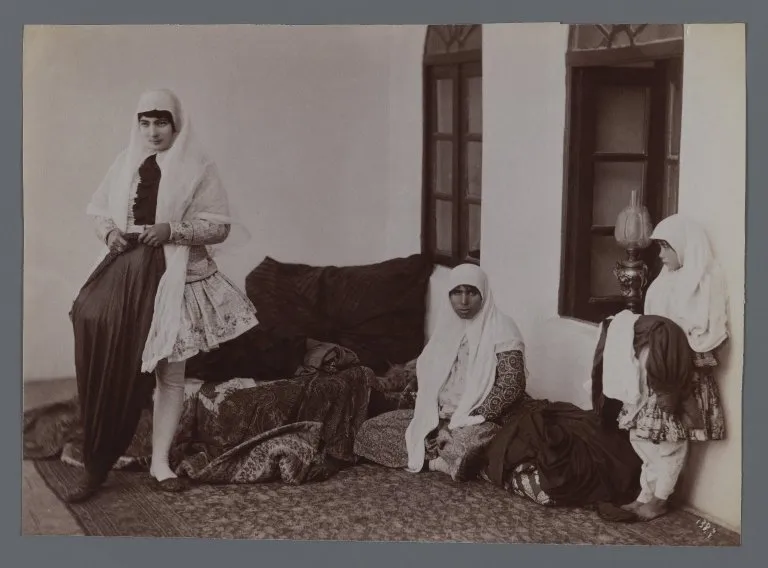
Photo: Unknown authorUnknown author, No restrictions, via Wikimedia Commons
Here's a number that should bother you more than it does: the average American takes thousands of photos a year and prints almost none of them. Our grandparents' generation measured its memories in shoeboxes. We measure ours in gigabytes — a format with no drawer, no crease, no smell, and no guarantee of existing in a decade.
I'll say my piece up front: this is a loss, and it's a self-inflicted one. The printed photograph was never just a copy of an image. It was a decision. Someone chose this moment, paid for it, put it in a frame or a wallet or a lunchbox. That choice was the meaning. The camera roll, with its infinite, undifferentiated scroll, has no meaning at all. It's a landfill where everything is equally buried.
What We Lost With the Shoebox
Ask anyone over forty about their family photos and they won't describe files. They'll describe objects. The school picture that lived on the grandmother's mantel for thirty years. The creased snapshot in a father's wallet, soft at the edges from handling. The drawer in the hallway that contained, without fail, a chaotic archive of birthdays, beach trips, and at least one photo of a thumb.
Those objects did something digital images can't: they aged with you. A print yellows. It curls. It picks up fingerprints and tape residue and the story of wherever it's been. An image in the cloud is frozen and frictionless, which sounds nice until you realize it also means nothing has happened to it. Nothing has happened around it.
The Labs That Wouldn't Close
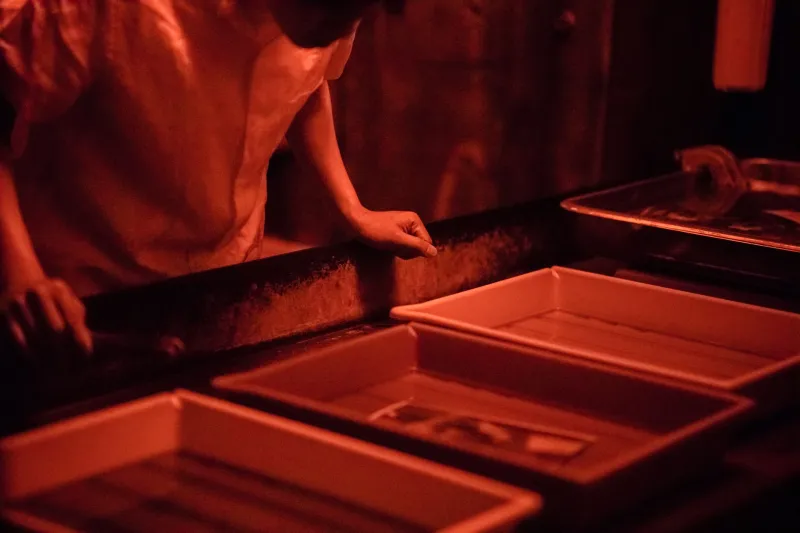
Which brings us to the people still printing. One-hour photo labs, once as common as gas stations, have mostly gone the way of the video store. But a handful survive — some as museum pieces, some as genuine going concerns.
Take the lab operations still running inside a few independent camera shops in places like Minneapolis, Portland, and Asheville. They've outlived the one-hour promise by becoming something better: slow. Print orders now take days. Customers don't mind. They're not printing for speed; they're printing for keeps.
"People come in with a phone and say, 'I have 4,000 pictures of my kid, which twelve should I print?'" one lab tech told me. "That question is the whole business. That's them doing the work their grandmother did with a shoebox."
The One-Photo Ritual
Some families have turned the choice itself into a tradition. A growing number of households — organized loosely through parenting blogs and a few viral newsletter posts — follow a simple rule: one photo per month, printed, placed in an album or on the fridge. Twelve decisions a year. That's it.
The families who do it describe the same effect: the photos get better. When you can only pick one, you stop shooting forty versions of the same moment. You look for the one that will matter in twenty years.
One mother in Ohio keeps hers in a stack on the kitchen counter, and on New Year's Eve the family goes through the year's twelve together. "My kids fight about which one was the best month," she says. "Nobody's ever fought over a camera roll."
The Case for Ink
I understand the counterargument. Printing costs money. Digital is convenient. Cloud storage is "forever" — except when a service shuts down, an account gets locked, or a drive fails, at which point "forever" turns out to mean roughly as long as your payment method stays valid.
A print asks nothing of the future. No password, no format, no subscription. It works in a blackout. It works in a hundred years. It works in a shoebox, which — let's be honest — is where the best ones live anyway.
So here's the pitch, and I'll make it a challenge: pick one photo from this year. One. Print it. Put it somewhere you'll see it every day. If it doesn't change how you feel about that moment, you're out twelve dollars and a stamp.
But I don't think you'll be out. I think you'll be back next month, picking your twelve.