Ask the Librarian: The Small-Town Book Rooms Where Humans Beat Algorithms Every Time
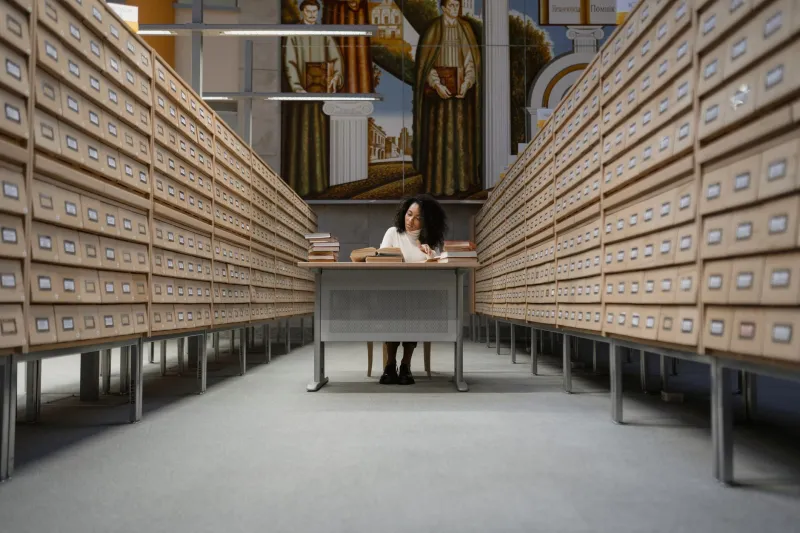
There's a library in Harlan County, Kentucky, where the card catalog still works. Not as a curiosity, not as a prop bolted to the wall for Instagram purposes — it actually works. The little wooden drawers open, the typed index cards inside are dog-eared and pencil-annotated, and on any given Tuesday afternoon, you might find a retired coal miner flipping through them with the patience of someone who has nowhere better to be. Which, as he'll tell you, he doesn't.
"I found three books last month I never would've found on a computer," he says, not unkindly. "The computer only knows what I already know I want."
That sentence is worth sitting with for a minute.
The Request Slip as a Small Act of Trust
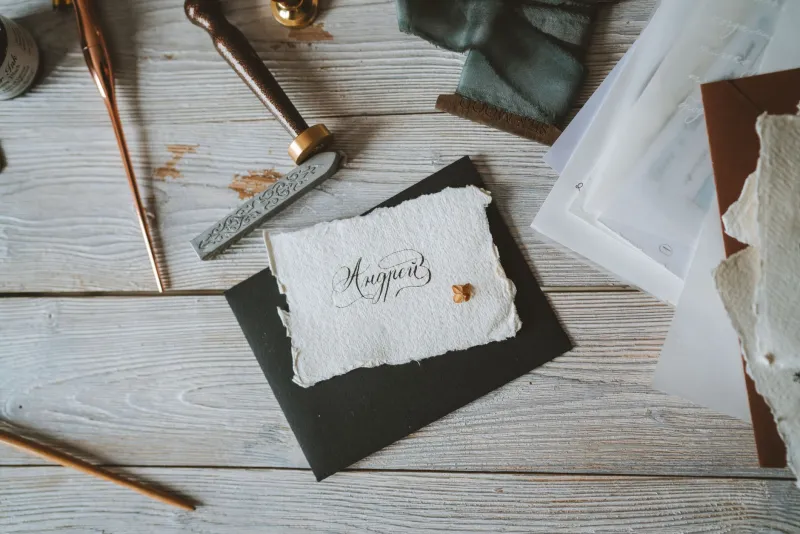
In a growing number of small and rural American libraries — particularly across Appalachia, the rural South, and the agricultural Midwest — the handwritten book request form hasn't gone anywhere. It's a half-sheet of paper, usually. Name, phone number or address, and a line or two describing what you're looking for. Not an ISBN. Not an exact title. A description. Something about a woman who leaves her family to paint in New Mexico. Not sure if it's real or made up. My sister mentioned it once.
Librarians in these communities read those slips the way a good doctor reads a chart — not just for the stated symptoms, but for everything between the lines. Sandra Pruitt, who has worked the front desk at a rural branch library in central Mississippi for going on twenty-two years, keeps a small notebook where she jots down what she calls "patron tendencies."
"I know that when Delbert asks for something 'not too long,' he actually means he wants something he can read to his wife, who's been sick," she says. "When the Morales girls come in asking for adventure books, I know the older one wants the adventure and the younger one wants the romance inside the adventure. You don't get that from a search bar."
She pulls a worn copy of The Merry Adventures of Robin Hood from behind the desk, already set aside for someone who hasn't even called yet. "He'll be in Thursday."
What Gets Lost in Translation to Digital
The push to digitize library discovery systems has been broadly positive — nobody is arguing that online catalogs are bad. But something specific happens when the primary interface between a reader and a book becomes a keyword search. You get results that match what you typed. You get recommendations based on what people who bought that book also bought. You get, in short, a mirror.
Small libraries without the budget or the staffing to fully transition have, somewhat accidentally, preserved an alternative model. Face-to-face recommendation. Serendipitous browsing along shelves organized by a human being with opinions. The happy accident of a librarian saying, "I know you asked for that, but have you ever tried this?"
In Mineral Wells, Texas, head librarian Gus Trevino describes it as "the wrong-shelf effect." Somebody comes in looking for gardening books. He walks them to the section. On the way, they pass the travel memoirs. Something catches their eye. Six months later, they're planning a trip to Portugal.
"That doesn't happen if I just email them a list," he says.
The Regulars Who Wouldn't Have It Any Other Way
Visit enough of these libraries and a certain type of patron emerges: the person who could use the internet — who does use the internet for plenty of things — but who chooses to come in person specifically because they want to be surprised. They want to be known by someone who will push back a little, who will say "you said you wanted something light but I think you're ready for this."
Marjorie, a retired schoolteacher in a small Nebraska town who asked that her last name not be used, has been coming to the same library branch for thirty-one years. She fills out a request slip every few weeks, even though she knows the librarian well enough to just talk to her.
"The slip makes me think harder," she explains, smoothing the small form on the desk in front of her. "I have to figure out what I actually want. Not just click on something that looks shiny. I have to put it into words."
There's something almost meditative in that. The request slip as a small act of self-examination.
Holding the Line Without Being Precious About It
None of the librarians interviewed for this piece are anti-technology. They use digital systems for interlibrary loans, for ordering new titles, for managing overdue notices. They're not romanticizing inconvenience. What they're protecting, as they see it, is something more specific: the relationship between a reader and a person who has read a lot and pays attention.
Sandra in Mississippi puts it plainly: "A recommendation algorithm is trained on what everybody does. I'm trained on what you do. That's different."
In an era when most of our cultural consumption is filtered through systems designed to reduce friction and maximize engagement, these libraries are doing something almost countercultural. They're introducing a little friction on purpose. They're asking you to slow down, write something down, and trust a stranger who's been paying attention.
The card catalog in Harlan County will probably outlast a few more software updates. The request slips in Mississippi will keep piling up on Sandra's desk every morning. And somewhere in Nebraska, Marjorie is thinking very carefully about what she wants to read next — not because she has to, but because the thinking is part of the pleasure.
That's the scroll worth reading, right there.