Check the Carriage: A Field Guide to the Typewriters Hiding at America's Estate Sales
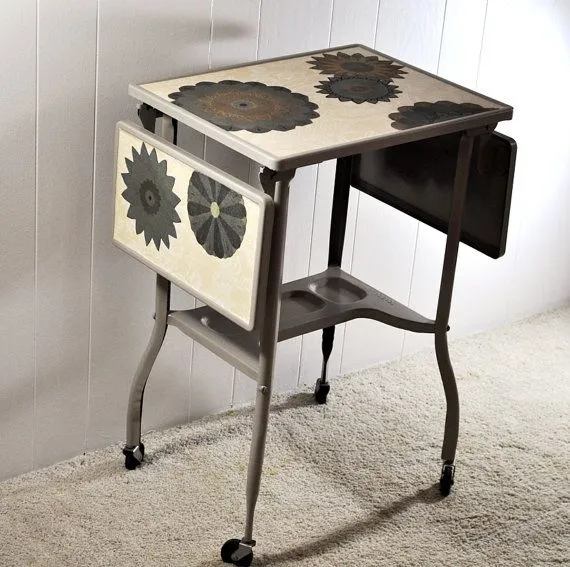
Photo: vintage typewriter estate sale table dusty portable, via i.pinimg.com
Estate sale veterans know the ritual. You walk past the china cabinet, past the exercise bike that became a coat rack, and there it is on a card table: a typewriter, dust-caked, ribbon seized, price tag reading $25 or, if the estate company knows what it has, $250.
The hunters I spoke with — people who've pulled hundreds of machines out of basements from Sacramento to Scranton — all say the same thing: the typewriter is the most underrated time capsule at any sale. Because people didn't just leave typewriters behind. They left what was in the typewriters.
The Ten to Look For
1. Smith-Corona Skyriter (1950s–60s). Featherweight aluminum-body portable, popular with journalists. Fits in a briefcase. If you find one under $60, grab it — they're tough, light, and charmingly clacky.
2. Olivetti Lettera 22 / 32. Italian design at garage-sale prices. The 22 was voted the best design of the century in 1959, which is a fun fact to whisper while haggling. Watch for cracked space bars on the 22.
3. Royal Quiet De Luxe. The workhorse of mid-century America. Millions were made, so prices stay low and parts are everywhere. Hunter's tip: check under the ribbon cover for the original receipt — Royals owners loved filing things in their machines.
4. Hermes 3000. Swiss-built, mint-green, absurdly smooth. Estate prices haven't caught up to its reputation among writers. This is the sleeper pick.
5. Underwood No. 5. The standard typewriter of the first half of the 20th century. Heavy as a sin, nearly indestructible, often underpriced because nobody wants to carry it to the car.
6. Remington Noiseless 7. Marketed in the 1930s for open offices. Genuinely quiet, genuinely weird, and a conversation piece for under $50.
7. Olympia SM3 / SM4. German engineering, glass keys on early models, and a typing feel collectors describe as "buttery," which is not a word machines should earn but this one does.
8. Brother Deluxe 220. Cheap, cheerful, and everywhere in 1960s America. The best beginner machine on this list — forgiving, repairable, and frequently $20 at sales.
9. IBM Selectric. Not a manual, but the golf-ball typewriter defined the American office. Estate sales are drowning in them, often working, often $30. A gateway drug.
10. Corona 3. The folding three-banker from the 1910s–20s. Rarer, pricier, but every so often one shows up at a farmhouse sale mislabeled as "old typewriter, parts." Verify before you gloat.
What's Hiding in the Carriages
The stories are the real haul. Estate hunter Dana Ruiz of Tucson once found a 1948 Royal with two unsent love letters still rolled in the platen — one addressed, one abandoned mid-sentence. She tracked down the family through the sale company; the letters went to the writer's granddaughter.
"People used the case as a filing cabinet," she says. "Receipts, recipes, a lock of hair, once a 1963 tax return. Always check the lid, the underside, and anything jammed in the carriage. Gently."
How to Spot a Keeper
- Turn the platen by hand. It should rotate smoothly. If it's rock-hard and cracked, that's a re-rubberizing job — budget $75–150.
- Check the segment and type slugs. Rust on the slugs is cosmetic; rust in the segment rails is a problem.
- Look for the paper table and feet. Missing rubber feet mean wobble; missing feet are also the first thing sellers lose, so haggle accordingly.
- Sniff test. A smoky house means a smoky machine, forever. Some collectors don't mind. Most do.
- Case matters less than you think. Broken cases are common; intact machines are not.
Bringing One Back to Life
You don't need to be a technician for the basics. Clear the desk, grab cotton swabs, denatured alcohol, and a can of compressed air.
- Clean the type slugs with alcohol and swabs until the swab comes back grey, not black. Half of all "broken" typewriters are just filthy.
- Free the escapement. Gently exercise the keys without forcing. Decades of dried-out gunk yield to patience, not muscle.
- Replace the ribbon. New ribbons for nearly every model on this list are available online for $8–15.
- New sheet of paper, type your name. If the impression is uneven, note which letters — it's almost always dirt on specific slugs, not a mechanical fault.
Beyond that, the typewriter community is unusually generous. Online forums and local repair shops (yes, they still exist — look for the one with Royal signs in the window) will walk a beginner through almost anything.
The best machines, the hunters agree, are the ones that were used. Ink on the space bar, worn shine on the keys, a note still in the case. A pristine typewriter is a collectible. A scuffed one is a life, and for the price of a pizza, it can be your life now.