Channel 17 Is Still On: The Faithful Few Keeping Public Access TV Alive After Midnight
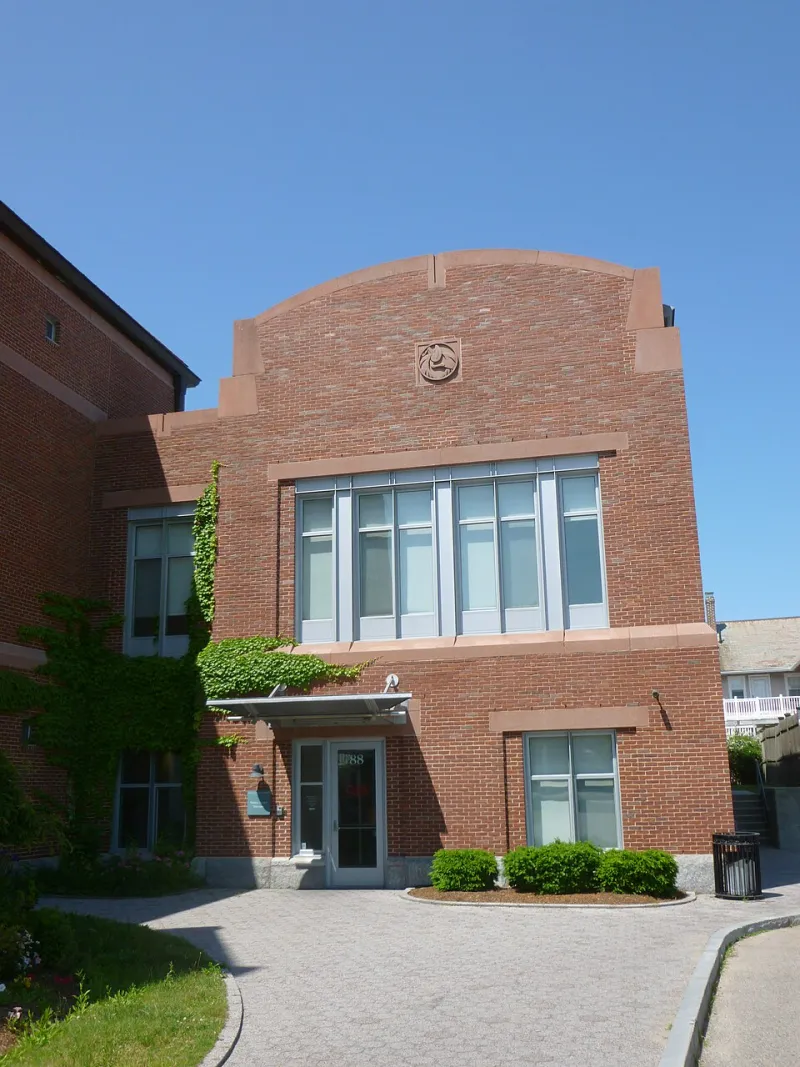
Photo: Emw, CC BY-SA 3.0, via Wikimedia Commons
If you surf the lower end of the cable dial in a mid-sized American city late at night, you may still find it: a man in a bolo tie reviewing local high school football from a folding chair. A puppet reading municipal budgets. A woman who has hosted a show about her houseplants, every Thursday, since 1994.
This is public access television — the eccentric, constitutionally protected corner of the cable universe that most of America wrote off sometime around the invention of YouTube. And yet, in towns from Maine to Oregon, it refuses to die. The reason is simple: a small, devoted group of people who never stopped showing up.
Born From a Bargain
Public access was never supposed to be glamorous. It emerged in the 1970s from franchise agreements: cable companies got the wires under the streets, and in exchange, communities got channels of their own, plus equipment and studio space for anyone who walked in the door. No gatekeepers. No ratings. First come, first served.
It was, and remains, one of the most democratic experiments in American media. Anyone could produce a show. Anyone could watch. The results were famously chaotic — cooking segments that went off the rails, conspiracy lectures, punk bands, city council marathons, and genuinely brilliant local journalism that no commercial station would touch.
The Long Goodbye That Wasn't
The obituaries have been written for decades. Funding formulas shifted. Streaming ate cable's lunch. Many municipalities let their access provisions lapse, and some stations went dark.
But a surprising number didn't — often because state law required cable companies to keep funding PEG channels (public, education, government), or because community nonprofits took over the studios and learned to hustle. Stations rebranded as community media centers, teaching video production to teenagers, streaming council meetings, and yes, still handing studio time to the woman with the houseplants.
The late-night schedule is where the true believers live. These are the volunteer producers who've hosted the same show for twenty, thirty, even forty years. Their audiences are small — sometimes a few hundred households, sometimes a number nobody can accurately count. It doesn't matter. The show goes out because the show has always gone out.
Why Anyone Still Watches
Ask the remaining viewers and the answers circle the same themes: authenticity and locality. There's no algorithm deciding what airs. No sponsor shaping the message. A show about the neighborhood's fading bowling alley exists because one person cared enough to make it.
In an era when local news has collapsed by the thousands, public access quietly became one of the last places where a community can watch itself. School board meetings. Harvest festivals. The eighth-grade jazz band. The obituary show. It's hyperlocal in the most literal sense — a mirror pointed at a few square miles, nothing more.
Some stations have found new life online, streaming to diaspora viewers who moved away but still want to see the parade. A former resident watching the town's Christmas lighting ceremony from two thousand miles away is doing something no algorithm can replicate: keeping a foot in a place.
The Next Generation of Oddballs
The studios that survive are recruiting, and the newcomers are not what you'd expect. Young creators burned out on performing for followers are showing up to learn three-camera live production. Some want skills. Some want a craft that isn't measured in views. And a few, inevitably, want to make the strangest show their town has ever seen — because the impulse that created public access never actually went away. It just needed a studio that would say yes.
The equipment is aging. The funding is patchwork. The audiences are modest and getting older. But on a Tuesday night in a studio above a hardware store somewhere in America, a volunteer is cueing up a show about model trains, and somewhere down the block, a viewer is watching.
That's the whole ecosystem. Two people, a signal, and a channel that belongs to everyone. Forty years in, it's still enough.