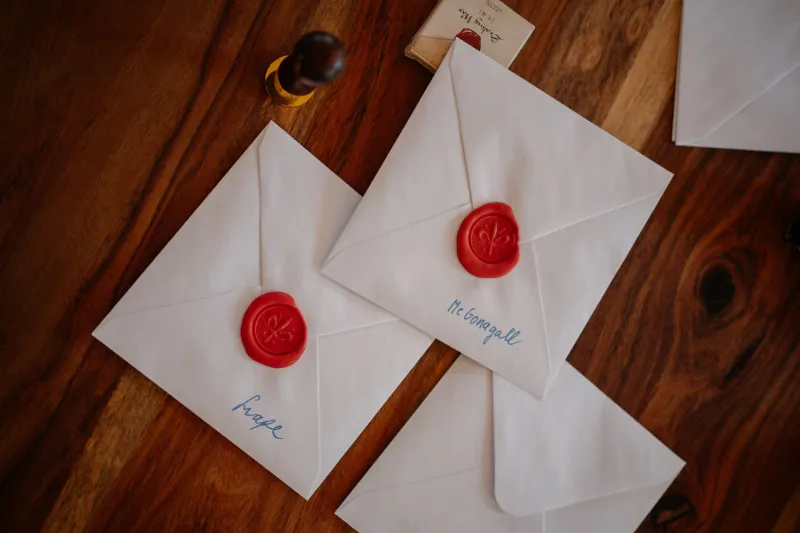
Check In, Step Inside: The Airbnb Hosts Turning Their Homes Into Stories You Can Sleep In
The key is hidden under a loose floorboard behind the radiator. That's not a metaphor. There is, literally, a key — an old brass one, heavy and warm — tucked beneath a creaking plank in the hallway of a ground-floor apartment in New Orleans' Tremé neighborhood. Finding it is step one. Step one of what, exactly, depends on how far down the rabbit hole you want to go.
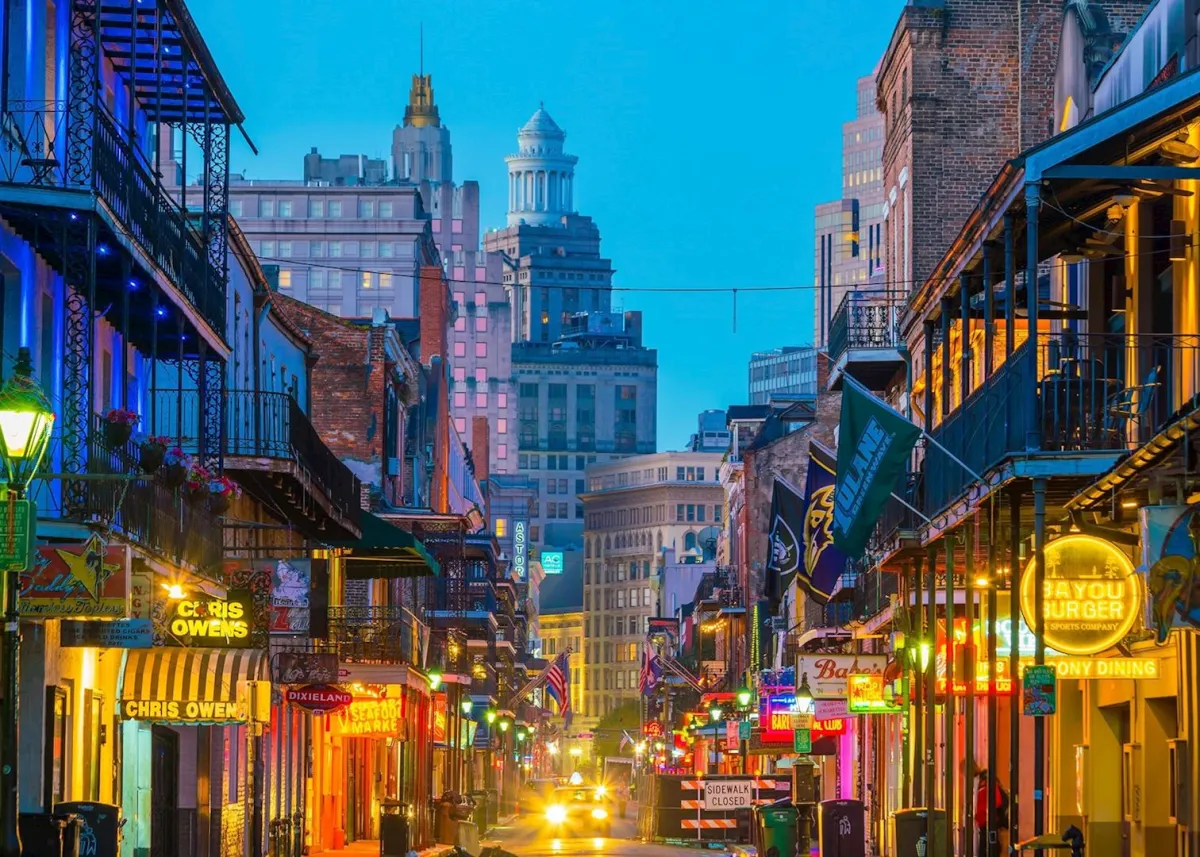 Photo: New Orleans, via cdn.audleytravel.com
The apartment belongs, ostensibly, to a jazz musician named Clarence Dupree. Except Clarence Dupree never existed. He was invented by Marcus and Yolanda Thibodaux, a married couple who spent the better part of two years building a fictional life around a fictional man and then opened the whole thing up on Airbnb for strangers to inhabit.
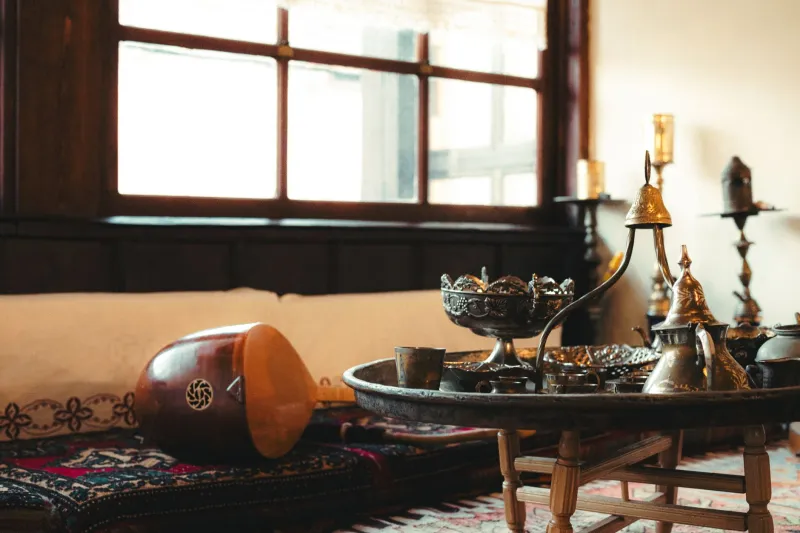
The walls hold vintage concert posters for clubs that no longer exist. A trumpet case sits open on the dresser, a handwritten setlist tucked inside. The bookshelf is stocked with novels Clarence would have read, record sleeves from the artists he would have admired, and a leather journal — worn, coffee-stained — filled with Marcus's handwritten entries written entirely in Clarence's voice, spanning from 1947 to 1968.
"We didn't want to rent a room," Yolanda says. "We wanted to give someone a life to try on for a few nights."
The Set Designer as Host
Across the country, a niche category of Airbnb hosts is quietly redefining what a short-term rental can be. These aren't people chasing Superhost status through Egyptian cotton sheets and artisanal coffee pods. They're storytellers — writers, designers, theater people, obsessive collectors — who have turned the guest experience into something closer to an immersive installation than a hotel stay.
The spaces they create tend to orbit a single, specific narrative: a lighthouse keeper's quarters on the Maine coast, complete with a logbook of imagined storms and a worn oilskin jacket hanging by the door. A decommissioned general store in the Arizona high desert, stocked with vintage goods and a ledger full of fictional accounts from 1890s customers. A 1970s Laurel Canyon bungalow in Los Angeles, designed around an unnamed folk singer who almost made it but didn't, whose demo tapes are still stacked by the turntable.
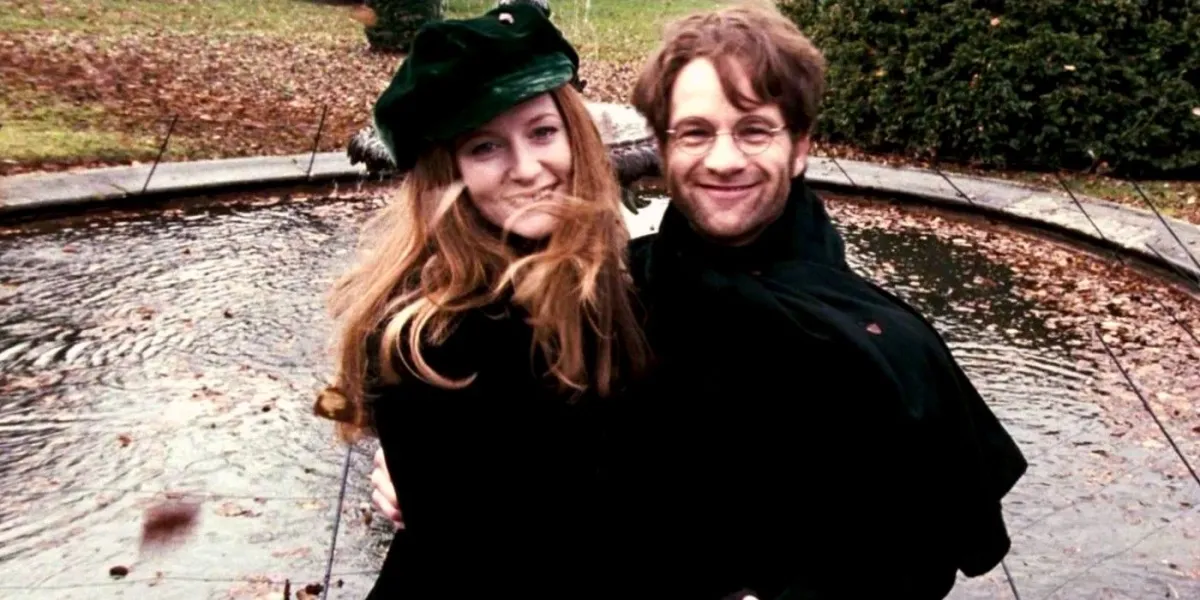 Photo: Laurel Canyon, via static1.cbrimages.com
None of these stories are real. All of them feel that way.
"The best ones make you feel like you interrupted someone's life," says Priya Nair, a travel writer based in Austin who has made a project of seeking out narrative-driven stays across the US. "Like the person just stepped out and will be back any minute. That's when it stops being a rental and starts being an experience."
Building the World Before the Guests Arrive
The creative labor behind these spaces is staggering, and almost universally underestimated by the guests who book them.
Rachel Voorhees, a former theater set designer in Portland, Oregon, spent eight months building out what she calls "The Correspondent's Room" — a 400-square-foot studio apartment designed around the fictional life of a 1930s foreign correspondent named Elspeth Hale. The walls are hung with maps annotated in a cramped, fictional hand. A typewriter sits on the desk beside a stack of "dispatches" — short, beautifully written fictional news reports from cities Elspeth supposedly covered. A suitcase under the bed contains stamps, currency, and a dog-eared phrase book from a country that no longer exists.
Rachel spent months sourcing props at estate sales, writing the dispatches herself, and working with a graphic designer friend to create aged documents that looked genuinely worn rather than artificially distressed.
"Theater taught me that the audience will believe almost anything if you commit fully," she says. "The moment you get lazy with a detail — a modern light switch, a brand-new book with a cracked spine — the spell breaks. You have to be obsessive about it."
Her listing has a three-month waitlist. Guests frequently describe it as the most memorable stay of their lives. Several have left their own additions to Elspeth's story in the guest journal — a practice Rachel actively encourages.
"Elspeth is a collaborative character now," she says, grinning. "She's evolved beyond anything I originally wrote. Some guest added a whole subplot about a love affair in Lisbon. It was better than what I had."
Why Travelers Are Choosing Story Over Amenity
The appeal of these spaces points to something deeper than novelty tourism. Travel, at its best, has always been about narrative — the story you tell yourself about where you went, what it meant, who you were there. But the commodification of short-term rentals has flattened that potential. When every Airbnb in every city starts to look like the same IKEA-meets-Pinterest aesthetic — white walls, Edison bulbs, a shiplap accent — the story becomes identical too.
Narrative stays offer a corrective. They give guests a framework, a character, a world to inhabit rather than simply occupy. And in doing so, they tap into something very old: the human compulsion to live inside a good story, even temporarily.
"We are meaning-making animals," says Dr. Susan Lim, a cultural psychologist at the University of Michigan who studies experiential travel. "We don't just want to be comfortable. We want to be somewhere. These spaces satisfy a hunger for context, for narrative, for a sense that where we are has weight and history — even if that history is invented."
The invented part, paradoxically, may be part of the appeal. A real historical space carries the burden of accuracy, of reverence. A fictional one invites participation. You can add to it. You can argue with it. You can decide what Clarence Dupree's trumpet sounded like on a Saturday night in 1954 and nobody can tell you you're wrong.
The Guest Journal as Living Document
Almost every narrative stay includes some version of a guest journal — and almost every host will tell you it's the feature that surprises them most.
Back in New Orleans, Marcus and Yolanda Thibodaux have filled three volumes with entries from guests who stayed in Clarence's apartment. Some are short — a sentence or two, a simple note of gratitude for the experience. Others run for pages, written as though the guest themselves had become part of Clarence's world: accounts of evenings at the club, descriptions of the neighborhood, imagined conversations with the man himself.
"One woman wrote a whole short story set in 1952," Marcus says, pulling out a journal and flipping to a dog-eared page. "She's a novelist. She said staying here unlocked something for her. She sent us a signed copy of the book she wrote after."
Yolanda laughs. "Clarence gets a thank-you in the acknowledgments."
That might be the truest measure of what these spaces are doing — not just providing a memorable vacation, but creating the conditions for something to happen. For a guest to slow down enough to notice, to imagine, to feel the specific texture of a life that isn't theirs and find, in that temporary inhabitation, something they didn't know they were looking for.
The key goes back under the floorboard before checkout. The next guest will find it. The story continues.