A Life in 400 Words: The Small-Town Obituary Writers Who Refuse to Let Anyone Go Unremembered
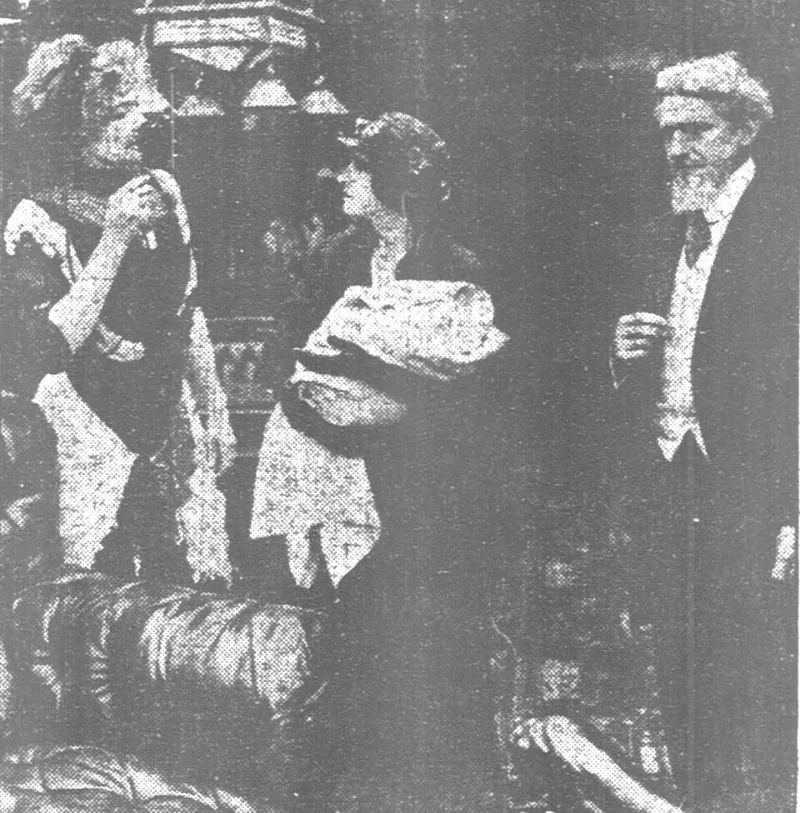
Photo: the day book, Public domain, via Wikimedia Commons
On a Tuesday afternoon in a newsroom that smells like coffee and carpet glue, a reporter picks up the phone and hears a voice on the other end say, 'I don't know how to start.' The caller's mother died on Sunday. The funeral home has already sent over the basics: name, age, dates, the names of survivors. What the paper needs now is the part that does not fit on a form.
This is the obituary desk, and in small-town America it is still a living thing. Not the paid death notices that run in tidy boxes, but the staff-written tributes — 300, 400, sometimes 600 words — that try to answer a simple question: who was this person, really?
The Call Nobody Wants to Make
Dee Whitaker has written obits for a weekly paper in southern Ohio for nineteen years. She keeps a stack of index cards in her desk drawer, each one a reminder that the first draft is never about facts. 'The facts are easy,' she says. 'The facts are on the funeral home sheet. The story is in the pause before they tell you what she was like.'
She has learned to ask sideways questions. Not 'What did your father do for a living?' but 'What did he smell like when he came in from the garage?' Not 'Was your sister religious?' but 'What did she hum in the kitchen?' The answers are often small, specific, and devastating. A man who whistled the same three notes while he shaved. A woman who kept a candy dish filled with butterscotch and never let anyone leave without one.
More Than a Notice
In bigger cities, obituaries are often a paid service, a template filled in by a funeral home and billed by the line. In smaller markets, they are still part of the newsroom's job — or they were, until the newsroom shrank. Today, the work is a patchwork. Some papers have a dedicated obit writer. Some share one across three counties. Some rely on a retired editor who comes in two mornings a week because nobody else knows how to do it.
The result is a strange, tender archive. You can read a hundred years of a town's history in its obits: the war years, the factory closures, the flood that took the bridge, the high school basketball coach who never had a losing season. The notable names get the long pieces, but the ordinary ones get the truest ones.
The Details Are the Story
A good obituary writer knows that grief makes people unreliable narrators. They will forget the year of a marriage but remember the color of the bridesmaids' dresses. They will misname a grandchild but describe a favorite joke with perfect timing. The writer's job is not to correct them. It is to listen for the part that matters.
'You have to let them wander,' says Marcus Bell, who writes obits for a daily in eastern Washington. 'If you interrupt too soon, you get the resume. If you let them talk, you get the person.'
Bell keeps a list of questions he never asks: 'What was his greatest accomplishment?' 'How will she be remembered?' Those are prompt-card questions, he says. They produce prompt-card answers. Instead he asks: 'What did he do that drove your mother crazy?' 'What was the one meal she made that nobody else could get right?'
Deadline Meets Grief
The obituary desk is also a deadline desk. Families call on Monday, the funeral is Wednesday, and the paper goes to press Tuesday night. There is no time for a second interview, no time to fact-check the story of the cousin who served in Vietnam or the aunt who once met Elvis. The writer has to trust the family and trust the details that feel true.
Sometimes the family fights. One sibling wants the obituary to mention the second marriage. Another does not. One wants the church listed. Another wants only the graveside service. The writer becomes a diplomat, a therapist, and a copy editor in the same hour.
'You learn to say, "Let me read it back to you,"' Whitaker says. 'That gives them a chance to hear it. Sometimes they cry. Sometimes they say, "That's not her at all." Then you start over.'
What Gets Left Out
Not every life fits into 400 words. There are the estranged children, the debts, the drinking, the years nobody talks about. The obituary is not a confession. It is a portrait, and portraits are selective. The writer's job is to be honest without being cruel, to leave room for the parts the family cannot say out loud.
'You are not writing the whole life,' Bell says. 'You are writing the life they can live with. And if you do it right, a stranger reads it and thinks, I wish I had known that person.'
The Last Draft
After the paper goes out, the calls stop. The family sends a thank-you card, or they don't. The writer moves on to the next one. But sometimes, months later, someone will stop them at the grocery store and say, 'You wrote my dad's obituary. I read it every year on his birthday.'
That is the part that keeps the desk alive. Not the awards, not the bylines. The knowledge that a life — ordinary, complicated, brief — was written down and kept. In a town where the paper might not last another decade, that feels like something worth fighting for.