Where the Washers Spin and the Plot Thickens: America's Book Clubs in the Strangest Rooms
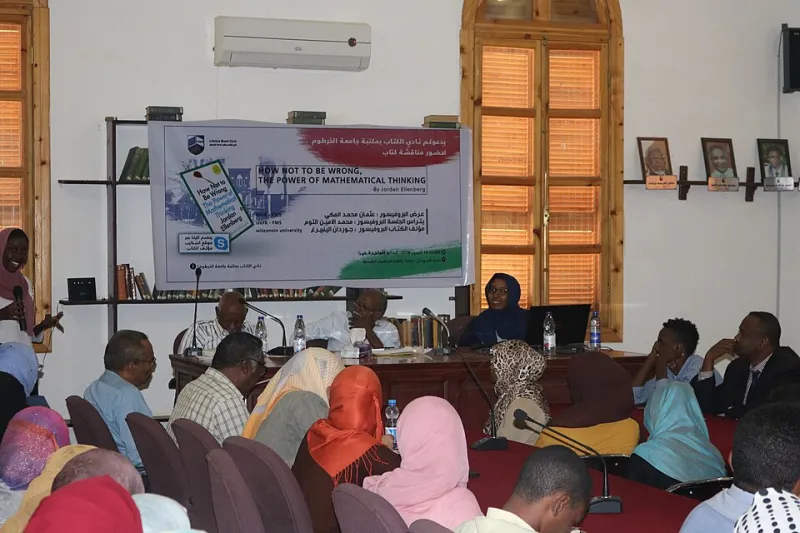
Photo: Mutasim Elmahadi, CC BY-SA 4.0, via Wikimedia Commons
Every second Tuesday, the Spin Cycle Laundromat on Lake Street in Minneapolis closes half its machines to the public. Not because they're broken. Because that's where the Whodunits of Lake Street set up folding chairs, a card table, and a tin of lefse somebody's aunt made.
There are eleven members. Some of them are doing laundry while they discuss the latest Scandinavian noir. The owner, a woman named Dee who bought the place in 2016, donates the space and, occasionally, the dryer quarters.
"People used to ask why," Dee says. "Now people just ask what book."
When the Free Rooms Disappeared
The Whodunits didn't choose a laundromat out of whimsy. They got priced out — first from a co-op that closed, then from a library branch that cut evening hours, then from a coffee shop that started charging a room fee during peak hours. Sound familiar? It's a story playing out in towns and neighborhoods across the country, as public gathering spaces contract and commercial rents climb.
But book clubs are stubborn creatures. The clubs that survive are the ones willing to meet anywhere: bar back rooms on slow weeknights, church basements, VFW halls, and yes, funeral homes.
Twenty-Two Years Among the Departed
In Wabasha, Minnesota — yes, the Grumpy Old Men town — a group of retired teachers has met in the front parlor of a funeral home every month for twenty-two years. The funeral director, Mark, inherited the arrangement from his father and considers it a public service.
"The parlor's beautiful and it's empty most evenings," he says with a shrug. "Roses on the table, good light, comfortable chairs. My dad figured, why not?"
The teachers figured the same. They've read their way through Austen, Toni Morrison, and an ill-fated month with Blood Meridian that two members still bring up, bitterly, at every anniversary. The dead don't mind the chatter. As member Ruth puts it: "It's the quietest venue in town, and nobody kicks us out."
There's an unspoken etiquette, they've learned. No meeting in December, out of respect. Keep voices down if a service is happening. And never, ever complain that a book was to die for. They've worn that joke smooth.
It Was Never Really About the Books
Ask any of these clubs what they're reading and you'll get an answer. Ask them why they keep meeting and the answers get more interesting.
At the laundromat, a member named Joseph — who moved to Minneapolis from Lagos three years ago — says the club was the first room in America where he felt known. "I came for the mystery novels. I stayed because when my father died, eleven people showed up for me. In a laundromat. With lefse."
That's the pattern, everywhere I looked. The book is the excuse; the room is the point. Sociologists call it the third place — the spot that's neither home nor work, where community actually happens. America has been losing its third places for decades, and the book clubs meeting in laundromats and funeral parlors are less a curiosity than a symptom and a solution at once.
How to Find (or Start) One Near You
- Ask the unlikely venues directly. Laundromat owners, funeral directors, and bar managers are often delighted to fill slow hours with quiet, respectful regulars.
- Keep it small and reliable. Eight to twelve people, same night every month. Consistency builds trust with hosts.
- Mind the house rules. If you meet at a funeral home, respect the setting. If you meet at a laundromat, buy some detergent once in a while.
- Don't over-plan the reading. The clubs that last pick books loosely and talk freely. The title is a door, not a syllabus.
Back in Minneapolis, the washers are spinning and the Whodunits are deep in a debate about whether the narrator lied in chapter nine. A stranger folding towels nearby has started listening. By next month, she'll have a chair.
That's how it works. Somebody starts reading out loud in an unexpected room, and the room slowly becomes something else entirely.